FUTURE PROOFING THE NORTH’S QUEER HISTORY
AVA x Craic Magazine
Julia poses less than 5 minutes from her home, at the infamous Falls-Shankhill Peace Wall.
HISTORY
While other cities were expanding their cultural heritage, Belfast and the North of Ireland had a slightly different agenda. Divisive communities entrenched in political and religious beliefs that lead to years of violence meant that it simply wasn’t safe for queer stories to be celebrated and openly documented. Because of this, the North has lost years of rich history and stories of defiance and survival. Lucinda Graham, editor and journalist Esther Follis and Photographer Jack Farrar set about to change this

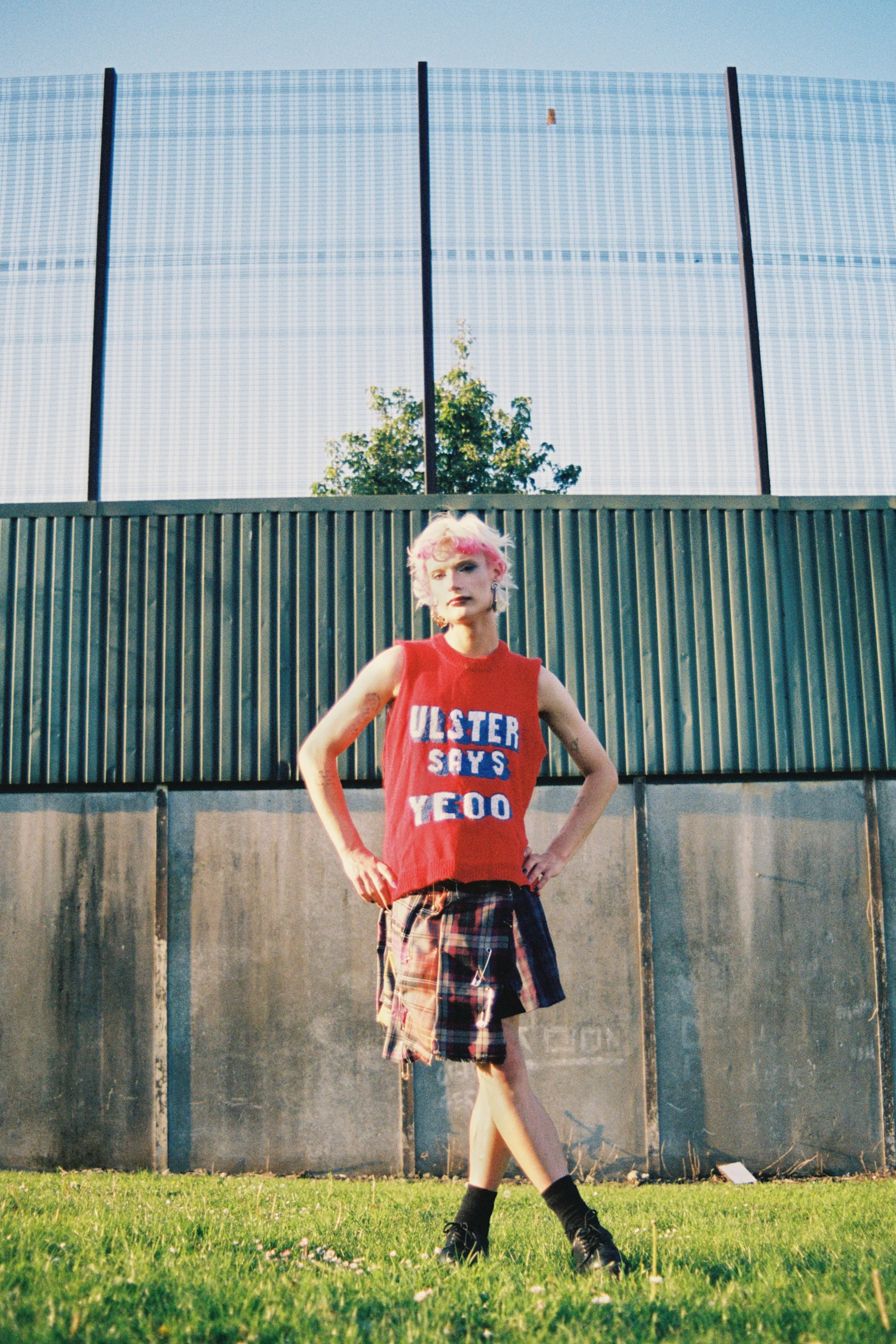
Julia at the Peace Wall, West Belfast.
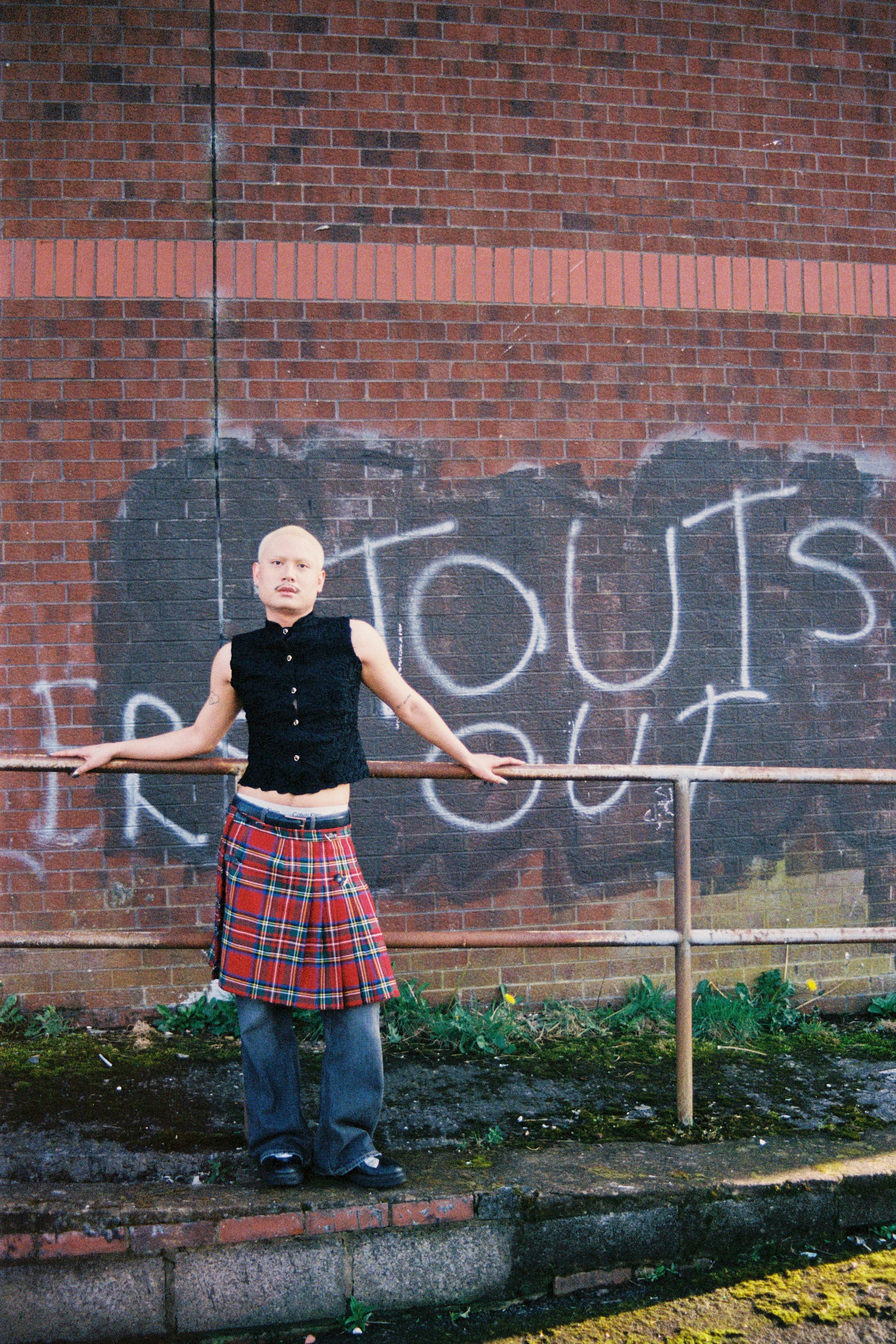
Charles in Ardoyne, North Belfast.
“That spirit of confrontation and creativity still defines how queer people navigate the North. Visibility remains both a victory and a risk. The portraits of The Queer Photography Project deliberately situate subjects within Belfast’s most symbolically charged spaces. These are locations shaped by contested histories and binary symbolism, where queer lives have been erased from collective memory or made incidental to broader narratives.
Each photograph becomes a quiet act of spatial reclamation. Rather than seeking to provoke, the project explores how queerness might inhabit these spaces differently, gently resign locations that carry rigid cultural meanings.
”
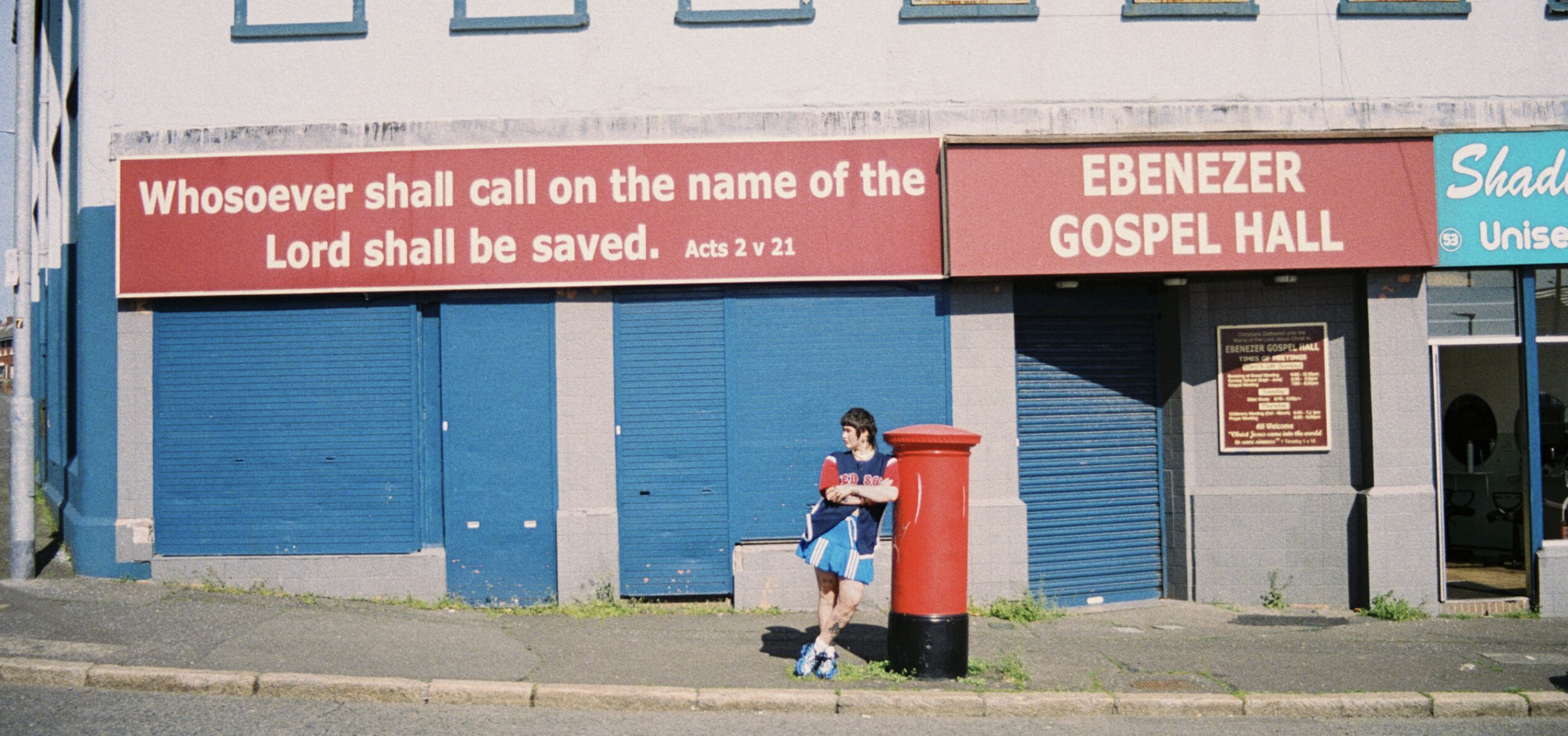
Lucinda on Old Park Road, North Belfast.
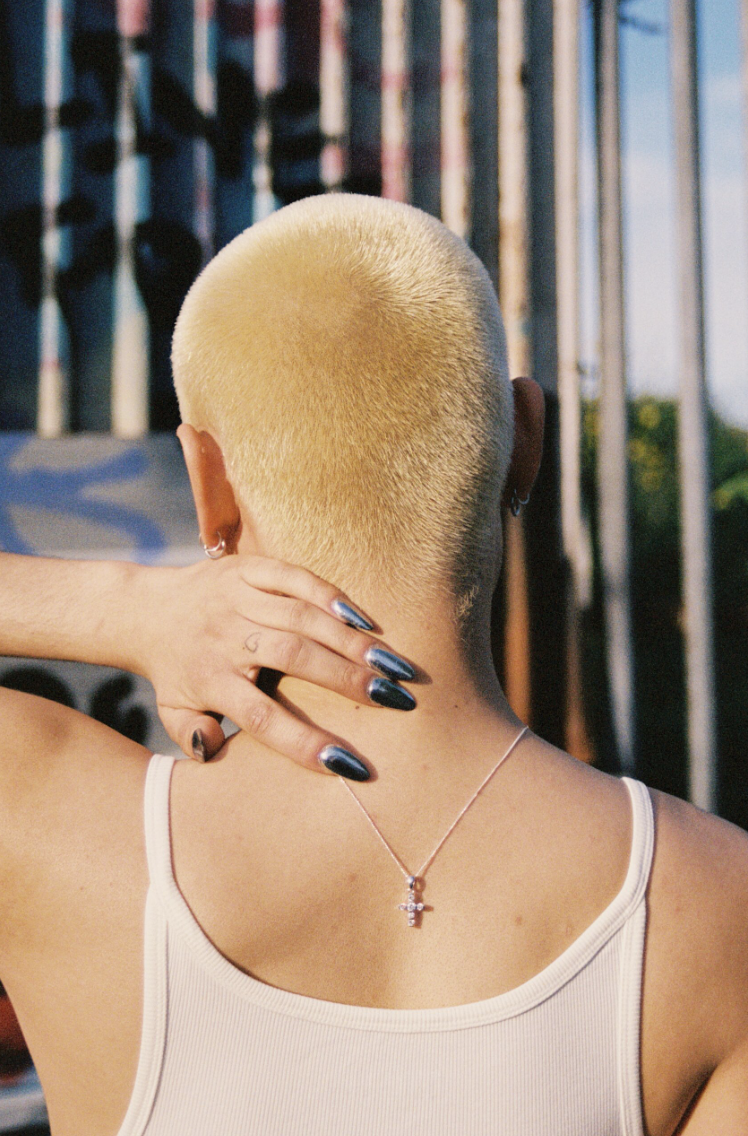
“His voice reminds us that queerness isn’t a monolith, and Belfast shouldn’t be either. Its strength lies in multiplicity, not uniformity.”
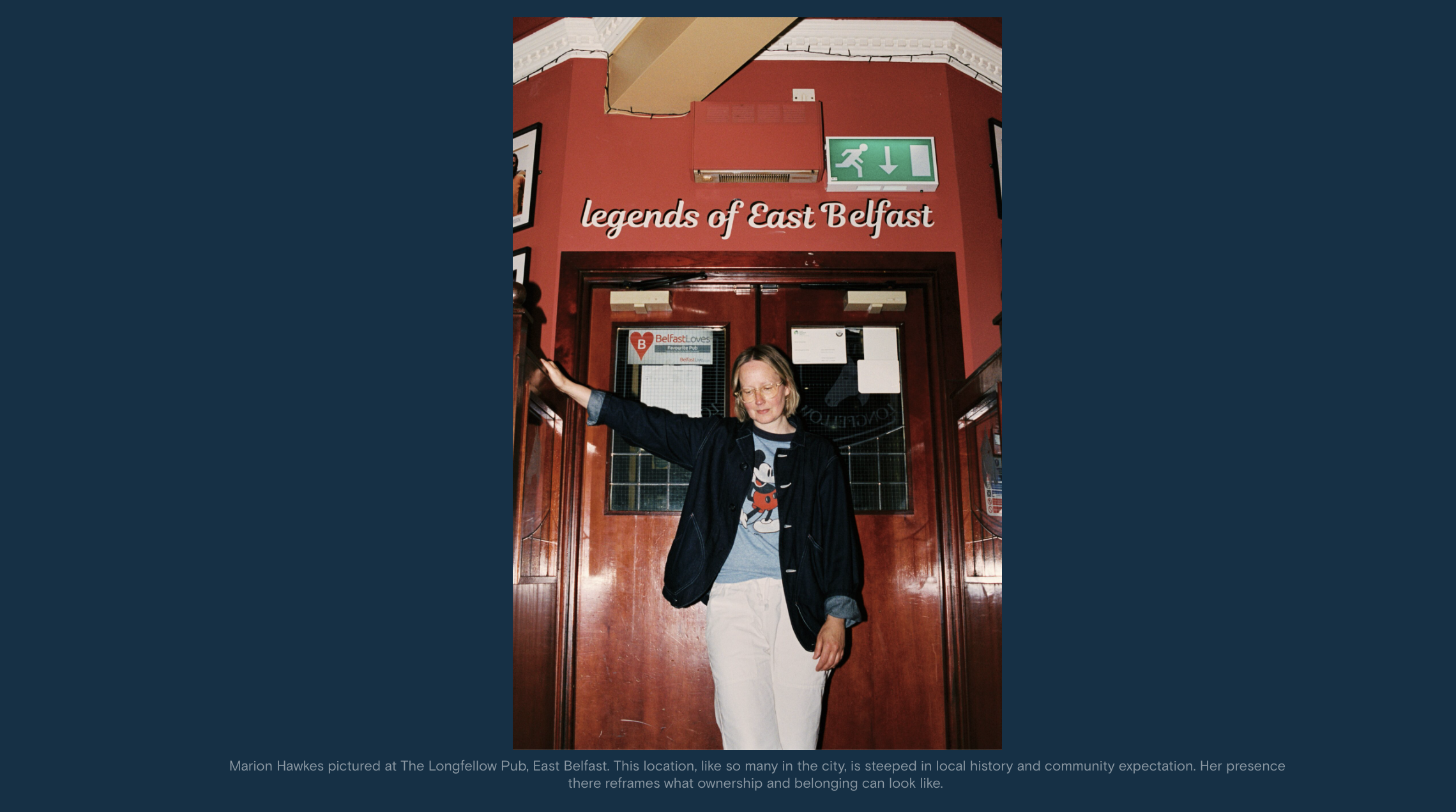
Belfast’s most iconic DJ Marion Hawkes, East Belfast.